
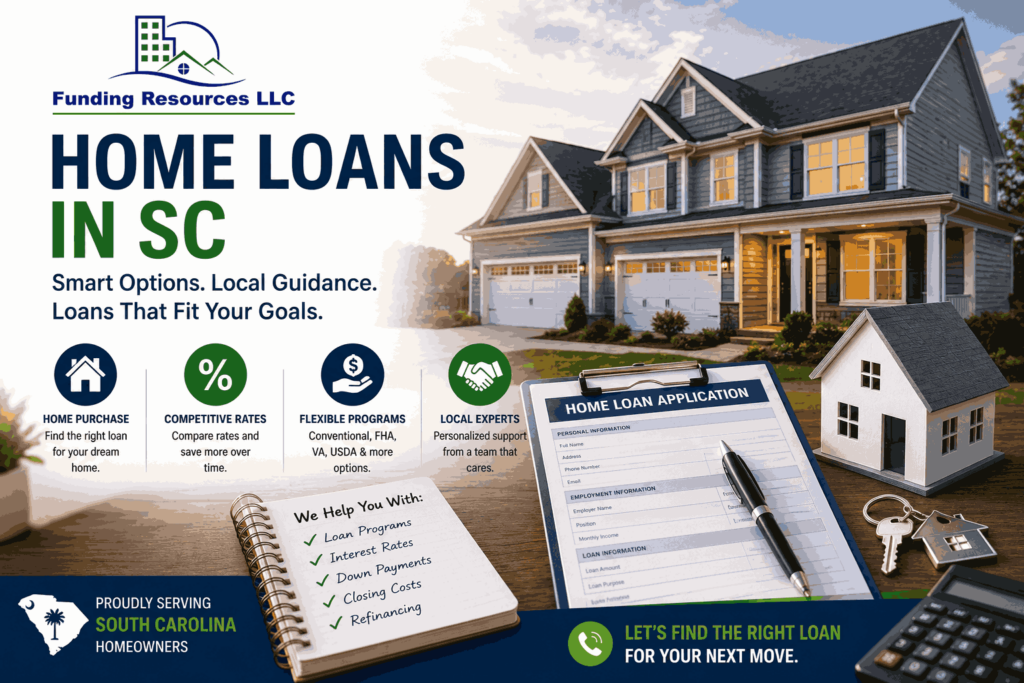
What Should You Know About Home Loans in SC Before Applying?
Buying a home feels exciting right up until you actually start looking at mortgage options. Then the questions pile up fast. How much can you actually borrow? Which loan program fits your situation, not just your dream house? What’s closing day actually going to look like? If you’re exploring Home Loans in SC, having real answers before you apply makes the whole process a lot less overwhelming.
The right mortgage was never just about chasing the flashiest rate. Your income, credit history, savings, the property itself, your long-term plans — all of it factors in. Taking the time to actually understand your choices means fewer surprises waiting for you down the line.
Start With Your Home Financing Goals
Before you start comparing loans, think through what you’re actually trying to accomplish here.
First home? Moving into something bigger? An investment property? Or maybe you already own a home and want to refinance or consolidate some debt.
Your answer shapes which mortgage programs are actually worth your attention. Available residential services include purchase loans and refinancing options for borrowers in South Carolina and Michigan.
Having a clear goal gives your mortgage professional something real to work with from the very first conversation.
Explore Options for Home Mortgage Near You
Searching for a Home Mortgage Near You can be a solid starting point when you want actual guidance instead of trying to sort through loan jargon entirely on your own.
A mortgage professional reviews your financial picture and explains which programs might actually fit. Ask about down payments, estimated monthly payments, closing costs, credit requirements, loan terms — none of it is a dumb question.
That conversation matters especially if this is your first time buying. Mortgage terminology gets confusing fast, genuinely. There’s no need to pretend you already understand every term being thrown around.
Compare Mortgage Companies in SC Carefully
When comparing Mortgage Companies in SC, look past the ads and the headline interest rates plastered everywhere.
One lender might offer a specific program another simply doesn’t have access to. Funding Resources LLC works with multiple lenders, which lets its team offer more loan programs than a lot of traditional banks or retail lenders can manage on their own.
Options on the table include conventional mortgages, FHA loans, VA loans, USDA loans, jumbo loans, adjustable-rate mortgages, and fixed-rate financing.
That broader selection gives you real room to find something suited to your actual circumstances, not just what one lender happens to offer.
Where Mortgage Brokers in SC Can Help
Working with Mortgage Brokers in SC simplifies the whole comparison process, since you’re not stuck approaching a handful of lenders individually on your own time.
A broker looks at your situation and helps identify programs that might genuinely suit you. Genuinely useful if you’ve got a less traditional financial profile, or need something more specialized.
Self-employed borrowers, first-time buyers, investors, homeowners refinancing existing loans — all of them face different financing concerns. The conversation should really start with your actual situation, not a generic loan package pulled off the shelf.
Understand South Carolina Mortgage Loans
There’s no single mortgage that works perfectly for every buyer, no matter what the ads suggest. When exploring South Carolina Mortgage Loans, think through how each program fits your budget today and whatever your plans are for the property later.
A fixed-rate mortgage, for instance, offers predictable principal and interest payments month over month. An adjustable-rate mortgage works differently, since the rate can shift based on the loan terms over time.
FHA, VA, and USDA financing may also open up alternatives for qualifying borrowers. Zero-down options and down payment assistance programs exist for certain situations too.
Ask questions before you commit to anything. A loan that looks great at first glance might not actually be the right fit once you factor in the full cost picture.
Prepare Your Documents Before Applying
A little prep work upfront saves a lot of unnecessary back-and-forth once the process actually starts.
You’ll likely need recent pay stubs and details on any existing debts. Self-employed borrowers usually need a bit more financial documentation on top of that.
It also helps to actually look at your monthly spending before deciding how much you want to borrow. Getting approved for a certain amount doesn’t automatically mean that amount fits comfortably into your actual life.
Think through the payment you can genuinely manage without every month feeling tight.
Consider Refinancing After You Buy
Your financing needs don’t necessarily stay fixed once you become a homeowner. Interest rates shift. Your financial situation improves. Maybe you want to tap into home equity, or just change the terms of your existing mortgage.
Refinancing options can include mortgage refinancing, cash-out refinancing, HELOCs, and reverse mortgage programs for qualifying homeowners.
Before refinancing, weigh the new loan costs against the actual benefit. A lower rate sounds great on paper, but closing costs and how long you actually plan to keep the property both belong in that conversation too.
Take A Closer Look At Assistance
Saving for a down payment is genuinely hard for a lot of people. If you’ve got stable income but limited savings, don’t automatically write off homeownership as out of reach.
Available programs include zero-down home loans, down payment assistance, Down Payment Advantage, and a 1% conventional loan option. Qualification depends on the specific program and your own financial circumstances.
Ask about the actual requirements and look at the real numbers before assuming anything’s off the table.
Make Your Mortgage Decision Carefully
You don’t need to rush just because you’ve found a property you’re excited about. Take the time to actually understand the financing attached to it.
Ask about the interest rate and estimated timeline. If something doesn’t make sense, ask for it to be explained again. That’s not a bother. It’s the whole point of the conversation.
That one simple step tends to prevent a lot of confusion later on.
The mortgage team states its average closing time is 30 days or less, with one-on-one assistance throughout the entire financing process.
Conclusion
Choosing Home Loans in SC gets a lot easier once you actually understand your goals and take the time to compare the available programs carefully. You don’t have to settle on the very first mortgage option that crosses your screen.
First home, investment property, refinancing, or exploring assistance programs — Funding Resources LLC offers residential financing options built around different borrower situations. Take your time, ask real questions, and choose financing that actually fits your plans, not just whatever’s got the lowest number on the ad.
Start Exploring Your Home Loan Options
Ready to talk through your mortgage options? Contact Funding Resources LLC at (843) 877-4314. You can also apply online to explore your financing possibilities with no obligation and get guidance built around your actual home-buying goals.
FAQs
1. What Types Of Home Loans Are Available In South Carolina?
Conventional and adjustable-rate options are all on the table. Certain borrowers may also qualify for zero-down financing or down payment assistance. This depends on their financial circumstances and the specific program.
2.How Can Mortgage Brokers Help South Carolina Buyers?
Brokers help you compare financing across multiple lenders instead of approaching each one individually, which takes a lot of legwork off your plate. That gives you access to different loan programs and helps you land on financing that actually fits your situation.
3.What Should You Prepare Before Applying?
Gather recent pay stubs and details on existing debts before applying. Reviewing your credit and monthly budget ahead of time also helps you understand what payment genuinely fits into your actual financial plans.

